Halfdan
Denmark’s largest oil-producing field. The Halfdan field, discovered in 1998 and brought onstream in 1999, is Denmark’s largest oil-producing field and a key asset in the Danish North Sea. The Halfdan Hub includes both the Halfdan Main field and the Halfdan North East (NE) development, contributing significantly to Danish oil and gas production.
Overview
Halfdan produces oil and gas from chalk reservoirs in the Tor Formation, with additional gas production from the Ekofisk Formation in the Halfdan NE area. The reservoirs are characterised by high porosity and low permeability, requiring advanced development techniques to optimise recovery.
The Halfdan Main oil accumulation is geologically contiguous with the Dan field and gradually thins towards the southwest and northeast. There are no strict subsurface boundaries between Halfdan Main and Halfdan NE, reflecting their integrated development.
Field Development
The Halfdan Hub has been developed in multiple phases:
- Halfdan Main
- Discovered in 1998, onstream in 1999
- Developed in four phases
- ~70 wells drilled
- ~35 active oil producers and ~25 water injectors
Production is driven by a combination of gas cap drive, solution gas expansion, and water flooding.
Halfdan North East (NE)
- Brought onstream in the early 2000s
- Developed in three phases
- ~20 wells drilled
- ~15–17 active gas producers
Halfdan NE is a gas development in the Ekofisk Formation, primarily produced through natural depletion.
Infrastructure and Exports
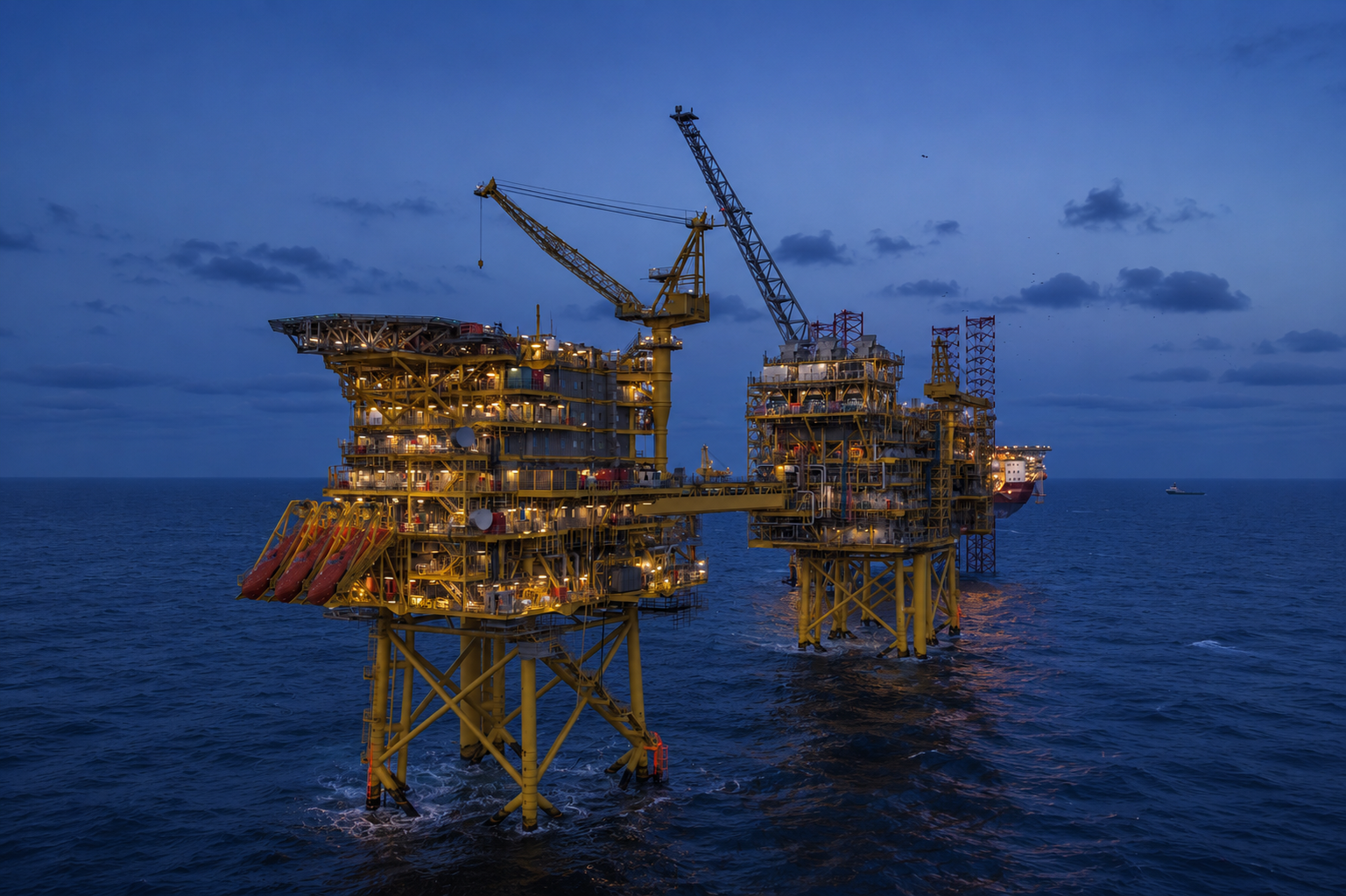
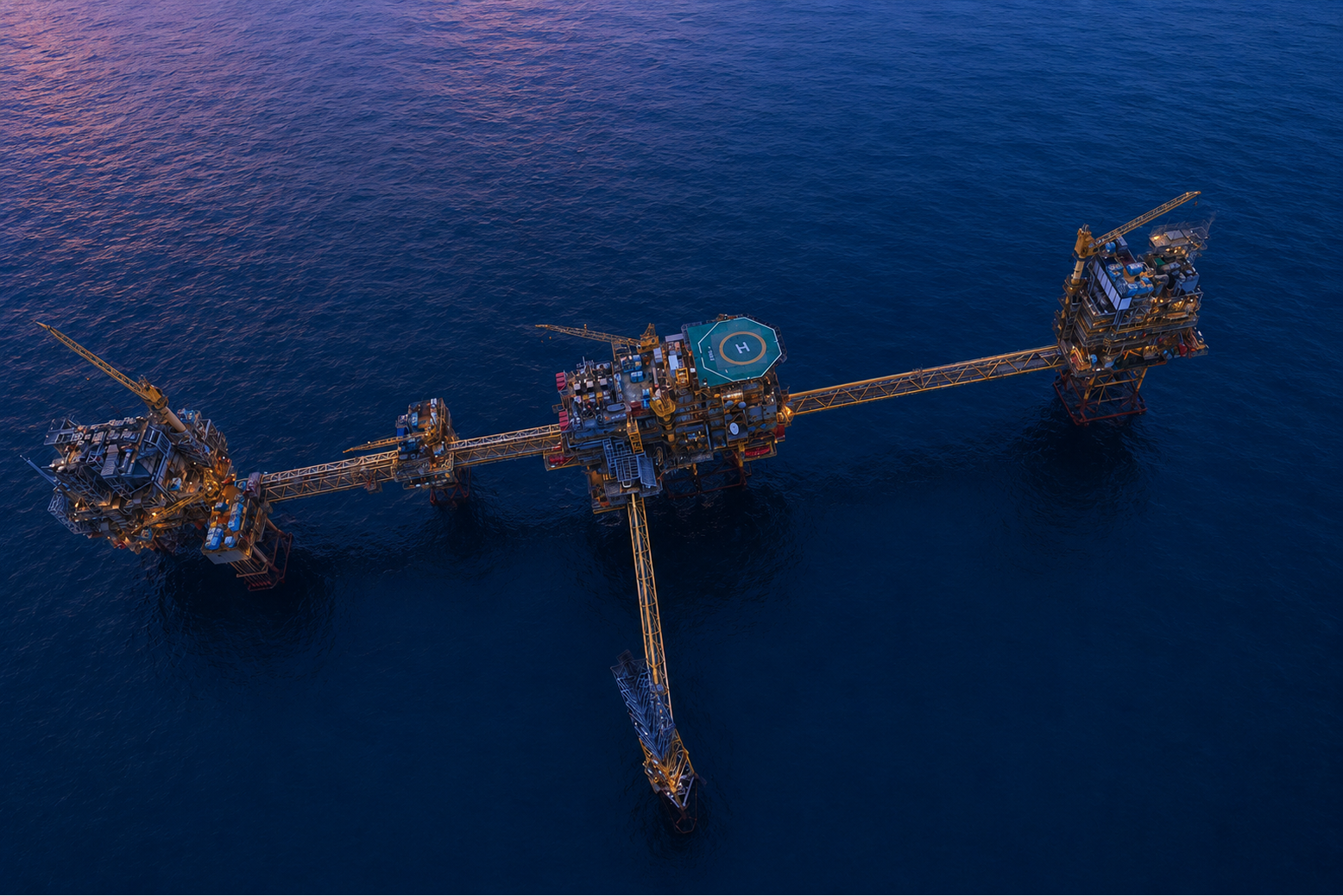
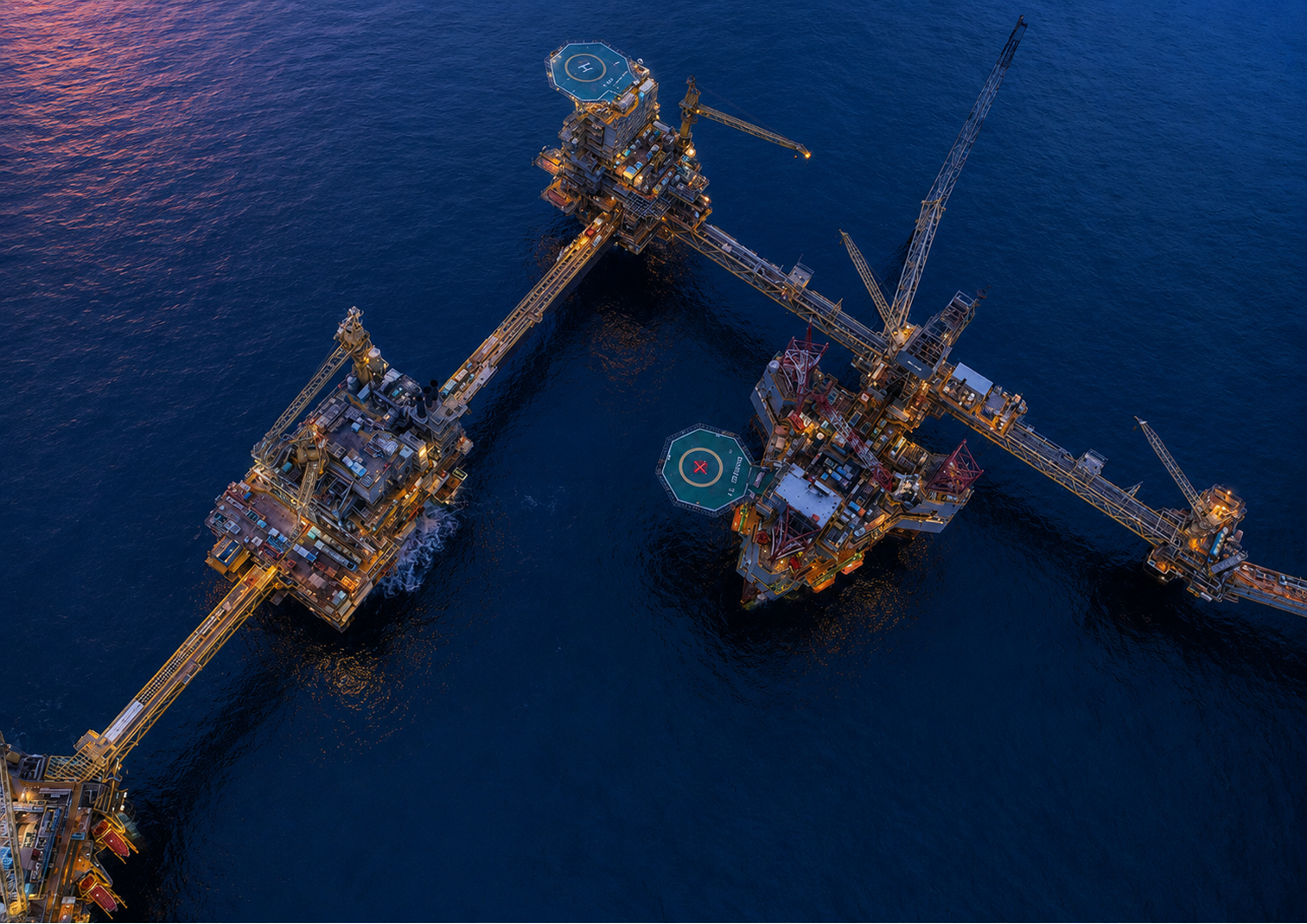
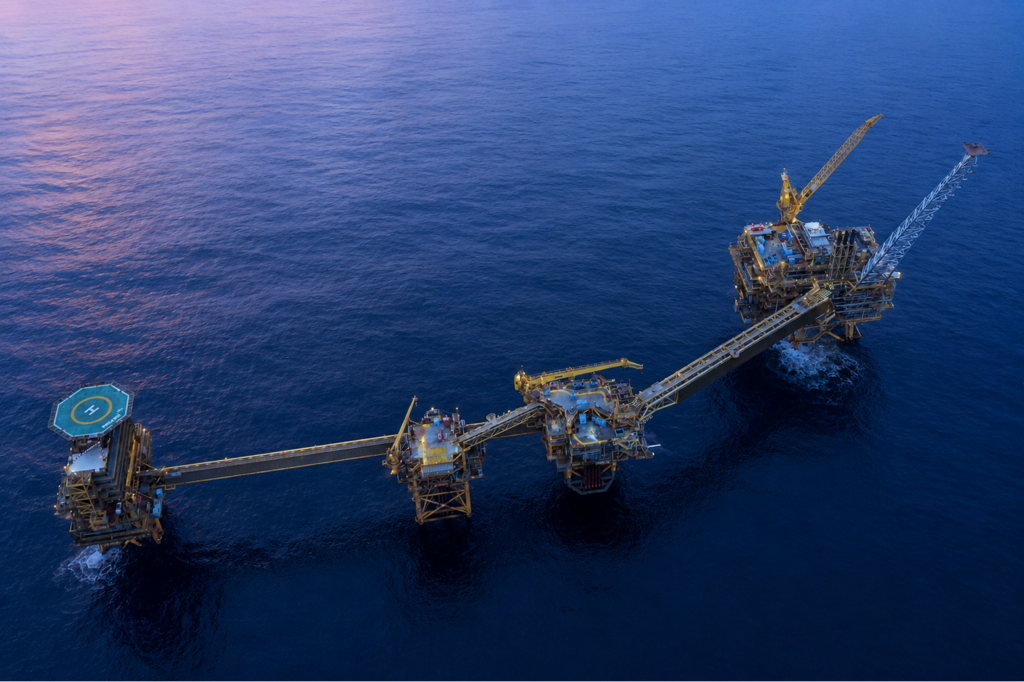
The Halfdan Hub consists of three main platform groups:
- Halfdan A and B (central processing and production facilities)
- Halfdan CA (unmanned wellhead platform for the NE area)
Production is tied into the broader DUC infrastructure:
Hydrocarbons are processed at the Halfdan facilities, and transported to Dan for final stabilisation. Oil is exported to Gorm, and gas is exported to Tyra to be further exported to Netherlands or Denmark.
Operational Development and Optimisation
Halfdan has been developed using horizontal wells and structured water injection patterns, enabling efficient reservoir sweep and stable production over time.
A recent example of ongoing optimisation is the Halfdan CA (HCA) Gas Lift project:
- Installed and commissioned in 2025
- Addresses declining gas rates and liquid loading in NE wells
- Improves well uptime and stabilises production
- Extends the producing life of the affected wells
Gas lift will continue to be deployed as additional wells experience natural decline.
Today and Outlook
With its large resource base, established infrastructure, and continuous optimisation, the Halfdan Hub remains a cornerstone of Danish offshore production.
The integration of oil and gas developments, combined with active reservoir management and infrastructure upgrades, ensures that Halfdan continues to deliver stable production and long-term value.
- 3 Wellhead
- 1 Wellhead & processing
- 1 Processing
- 2 Accommodation
- Halfdan to Gorm (Oil/Condensate): 17km
- Halfdan B to Dan (Gas): 13km