Gorm
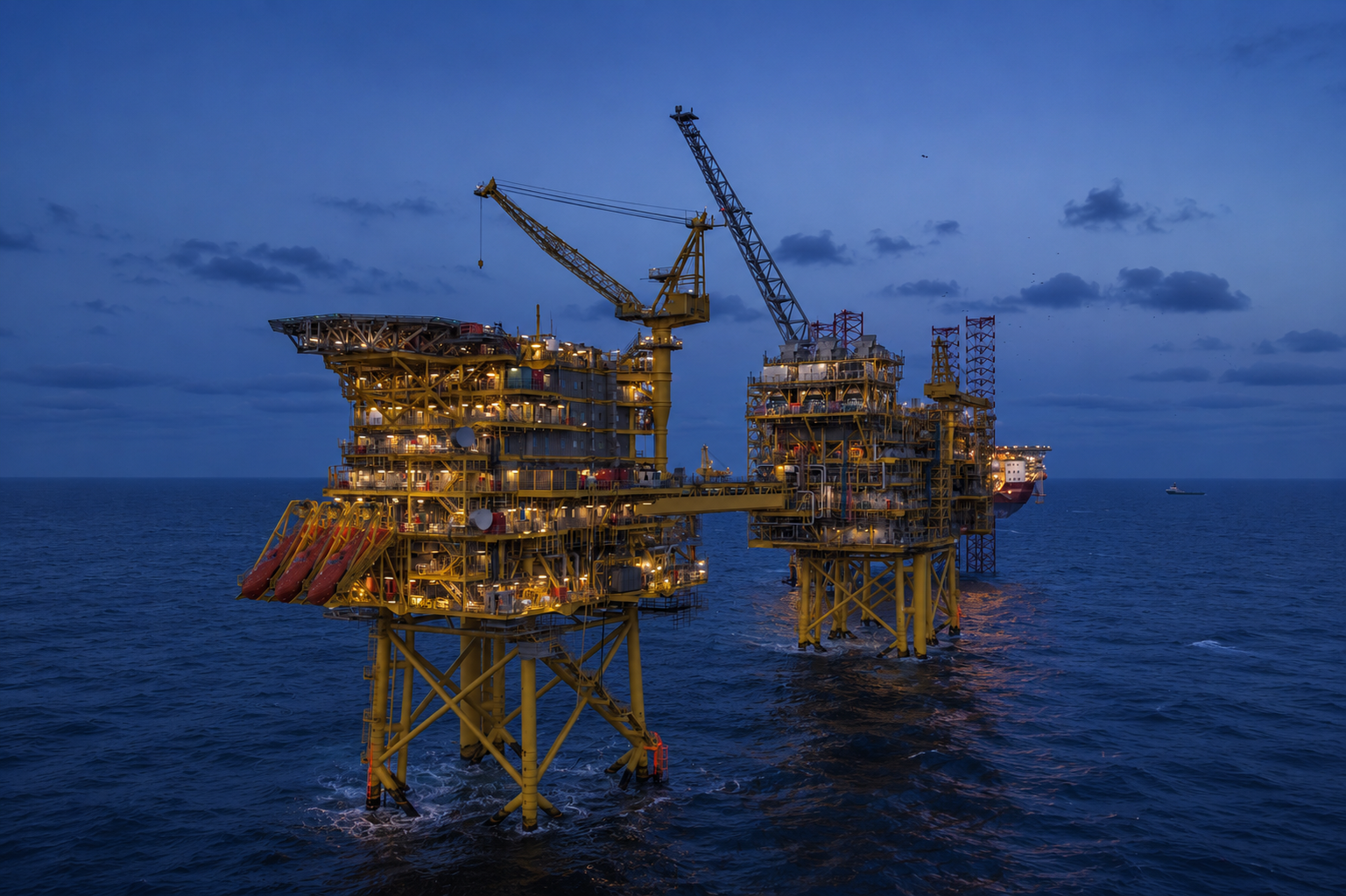
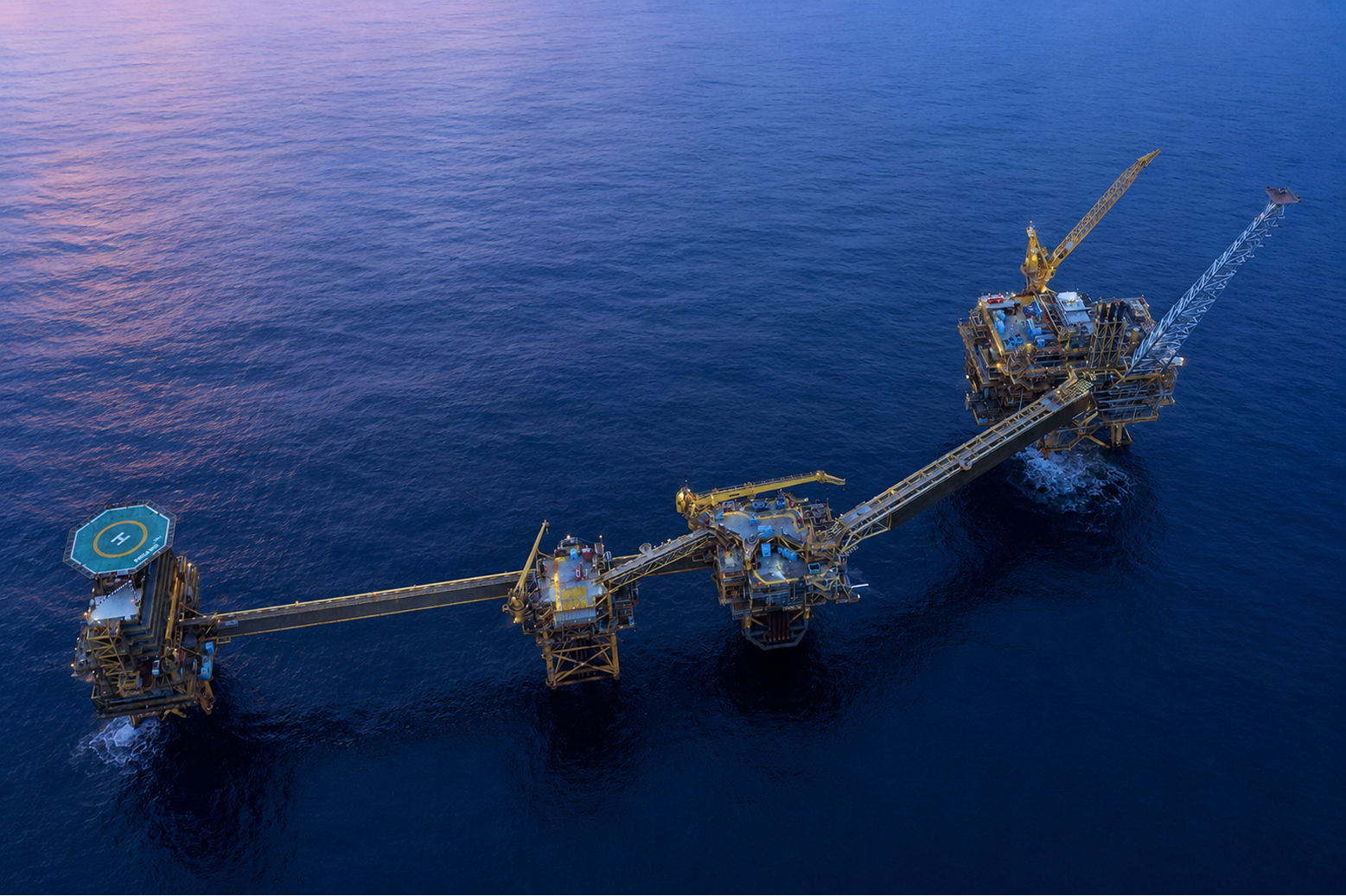
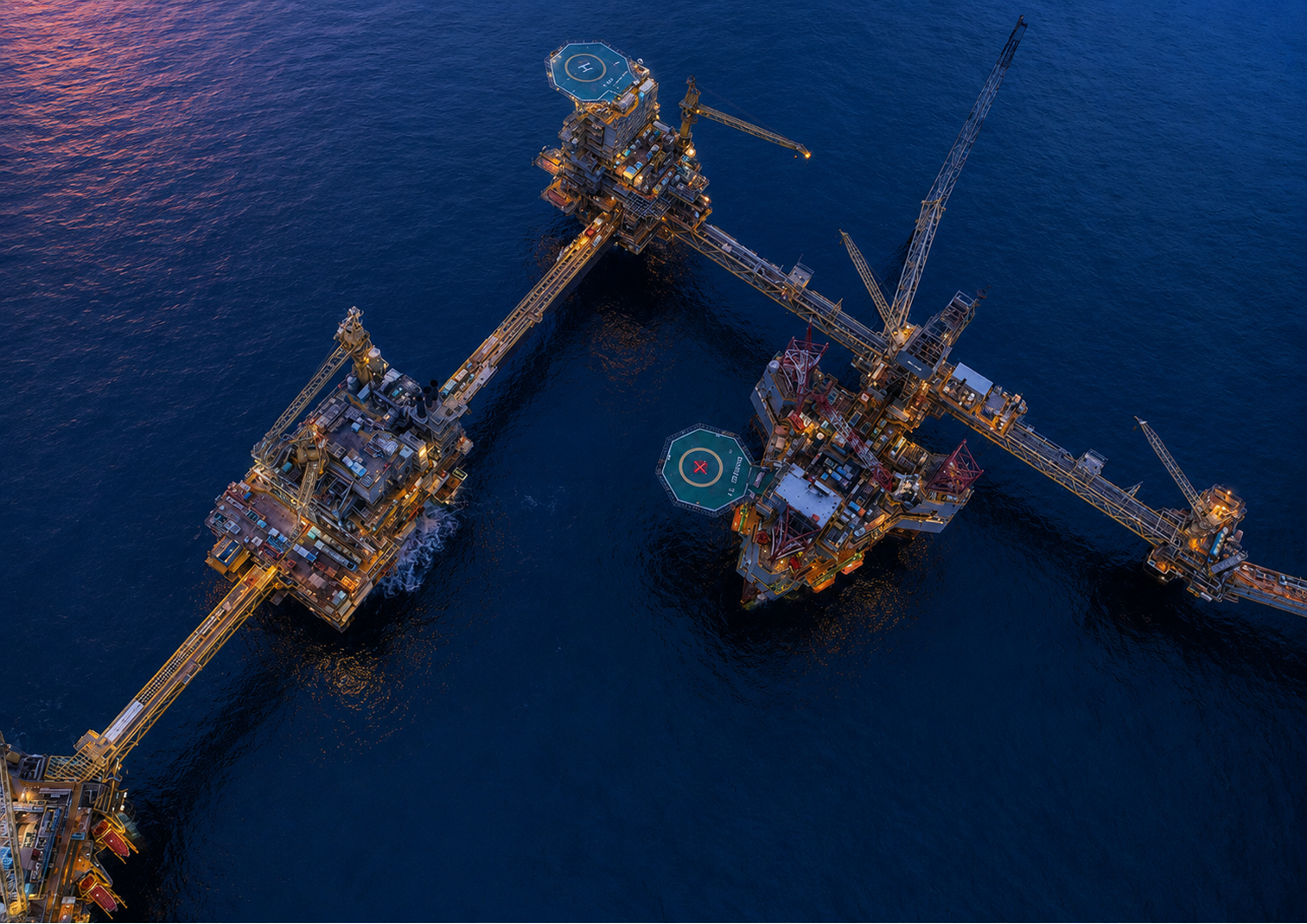
Denmark’s central oil export hub. The Gorm field, discovered in 1971 and brought onstream in 1981, was Denmark’s second producing field and remains a key hub in the Danish North Sea. The Gorm Hub serves as the primary export centre for Danish oil production, linking several producing fields across the Danish sector.
Overview
Gorm produces oil and gas from chalk reservoirs in the Ekofisk and Tor formations. These reservoirs are characterised by good porosity and moderate permeability, with oil filled with gas cap.
The field is a domal structure divided into two main fault blocks (A-block and B-block), reflecting a complex geological setting associated with underlying salt structures. Production from the Ekofisk Formation is limited in parts of the field, particularly on the B-block.
Field Development
The Gorm field has developed into a mature producing asset over several decades:
- Discovered in 1971 and brought onstream in 1981
- Developed initially through depletion, later supported by water injection
- ~45 wells drilled
- ~15–18 active oil producers and ~6 water injectors
Production is now primarily sustained through secondary waterflooding, supported by horizontal wells and ongoing well interventions.
A well restoration campaign (WROM) is planned to further optimise production by bringing previously shut-in wells back online.
Infrastructure and Exports
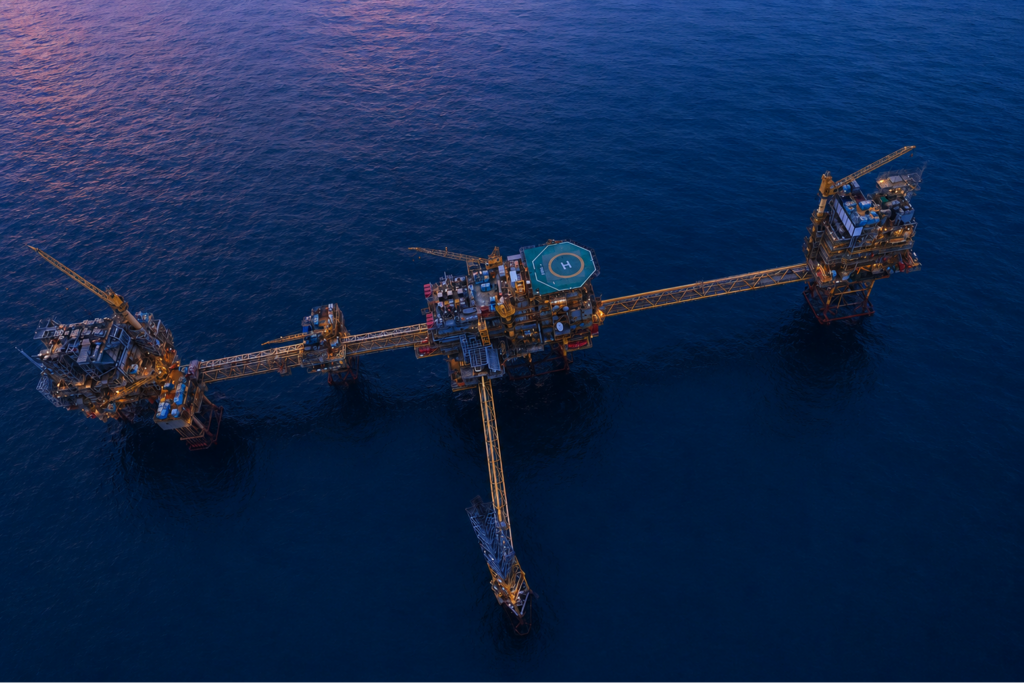
The Gorm Hub is a central part of the Danish offshore infrastructure and includes:
- The Gorm field
- Satellite fields Skjold and Rolf
Hydrocarbons are processed at the Gorm facilities. The hub functions as the main gathering and export centre for Danish oil with oil being exported to shore via the Gorm E platform. Gas is exported to Tyra to be further exported to Netherlands or Denmark.
Satellite Fields
Skjold is an oil field tied back to Gorm. The field was discovered in 1977 and brought onstream in 1982. It produces from highly fractured chalk reservoirs and is supported by water injection. A recent gas acceleration project has shifted part of the field towards a depletion strategy, improving oil and gas production performance.
Rolf is a smaller oil field developed as a satellite to Gorm. The field was discovered in 1981 and brough onstream in 1985. Production is from chalk reservoirs with fracture-enhanced permeability, supported by solution gas drive and aquifer support.
Operational Development and Optimisation
Gorm has evolved from an early depletion-driven development into a mature, infrastructure-led hub supported by waterflooding and continuous optimisation.
Planned and ongoing initiatives include:
- Well restoration campaigns to reactivate shut-in production
- Continued optimisation of water injection and reservoir performance
These efforts support both field recovery and efficient utilisation of shared infrastructure.
Today and Outlook
Today, Gorm plays a critical role as Denmark’s primary oil export hub, enabling efficient handling of production from across the Danish sector.
Its strategic position within the DUC infrastructure ensures continued relevance, supporting both mature field optimisation and the integration of surrounding developments.
- 5 Wellhead
- 1 Wellhead w/ water injection
- 1 Wellhead & processing
- 1 Processing
- 1 Processing & Accommodation
- Gorm to Shore/Fredericia (Oil/Condensate): 330km
- Dan F to Gorm (Oil/Condensate): 16km
- Tyra East to Gorm (Oil/condensate): 16km